If you sell supplements, your 3PL is part of your compliance story whether you want it to be or not. Every order shipped from a non-registered facility is a paper trail the FDA can pull. Every lot that ships without a documented chain of custody is a recall waiting to happen. Every audit packet that takes two weeks to assemble is a retailer relationship at risk.
This guide is for the supplement brand operators who can’t afford any of that. It covers what FDA registration actually means, why it matters for the brands you respect, what to ask your current 3PL, and what separates a registered facility from one that’s truly built around compliance.
The short version: FDA registration is the floor. It’s not the ceiling. And in 2026, the floor isn’t enough.
The brands that thrive in 2026 will be the ones that scale their brand, not their risk.
What FDA registration actually means for a 3PL
The FDA requires any facility that manufactures, processes, packs, or holds food (including dietary supplements) for consumption in the United States to register with the agency. That includes 3PLs that store and ship supplements on behalf of a brand. Registration is renewed every two years and grants the FDA inspection access.
Registration is not the same as audit. The FDA can inspect a registered facility, but registration itself is a self-declaration. The facility submits an FDA Form 3537 with basic information, gets an establishment number, and is on the list.
What this means: every legitimate supplement 3PL should be FDA-registered. That’s table stakes. The differentiator is what happens after registration. A registered facility that hasn’t been audited in 18 months is not the same as one that’s GFSI-certified at AA grade and inspected unannounced every quarter.
The categories that require an FDA-registered fulfillment partner
If your products fall in any of these categories, your 3PL needs to be FDA-registered. Period.
– Dietary supplements and nutraceuticals (21 CFR Part 111, DSHEA, FSMA)
– Food and beverage (FSMA, FDA Food Code)
– Pet food and pet supplements (FDA covers animal food)
– Cosmetics and personal care (FDA-regulated)
Brands in these categories that ship from non-registered facilities create instant audit exposure. And what happens after an FDA warning letter? The FDA can pull shipping records. Retailers can ask for supplier documentation. Investors can ask for proof of compliance. None of those questions have good answers if the facility is unregistered.
What a registered facility does differently
The best supplement 3PLs treat registration as the starting point. Here’s what separates ShipMonk’s supplement fulfillment services from other 3PLs.
Documented SOPs (cGMP)
Current Good Manufacturing Practices are the FDA’s documented expectations for how regulated products get handled. The best 3PLs maintain a Quality Management System (QMS) that holds every SOP and can produce it on request. The rest assemble documentation in a panic when an auditor asks.
Lot tracking captured at receipt
When inventory arrives, every carton is matched to its lot. When an order is picked from that carton, the lot is tagged at the order level. The brand can pull a list of every customer who received product from a specific lot in minutes.
FEFO rotation enforced in the platform
First-Expired-First-Out is the rule that keeps expired bottles off customer doorsteps. The best 3PLs enforce it at the platform level, not as an SOP that a picker might forget on a busy Tuesday.
Returns dispositioned by the rulebook
Supplements aren’t apparel. Opened or compromised product can’t be resold. The disposition has to be documented and logged in the QMS.
Audit packets ready in 48 hours, not 48 days
When a retailer asks for documentation, when the FDA opens an inquiry, when a board member asks the question — the documentation already exists. The 3PL just has to package it.
Beyond registration: GFSI, cGMP, SQF
A few acronyms worth knowing:
cGMP: Current Good Manufacturing Practices. The FDA’s baseline expectations. Not third-party audited.
GFS: Global Food Safety Initiative. An industry body that benchmarks food safety standards. GFSI doesn’t audit or certify directly — it recognizes programs that do.
SQF: Safe Quality Food. Another GFSI-recognized program. Common in food and beverage. Less common in supplement-only operations.
Major retailers (Whole Foods, Sprouts, Target, most national grocery and natural channels) require GFSI certification somewhere in your supply chain. Without it, retail eligibility narrows fast.
The four questions to ask your current 3PL today
If you want a fast read on your current setup, ask these:
1. Is every facility we ship from FDA-registered, or only some?
2. Where does lot tracking live in your platform? Can I see a lot history report from last quarter?
3. If a retailer or the FDA asked for an audit packet for our brand today, how long would it take you to produce it?
4. Who do I call if the FDA issues a recall on a specific lot tomorrow?
Is your 3PL audit-ready? Check out our 8 question audit-readiness checklist to see where your current 3PL stands.
How to scale your brand without scaling your risk
The brands that compound in supplements are the ones that treat fulfillment as part of the brand. Every shipment is a brand promise. Every lot is a chain of custody. Every audit is a retailer audition. A 3PL that gets any of those wrong puts the brand at risk. Not sure how to choose a supplement 3PL?
ShipMonk built its supplement operation to make sure that risk doesn’t fall on the brand. Every US facility is FDA-registered. Five hold GFSI certification under the BRCGS framework at AA grade. Three include climate-controlled zones for temperature-sensitive products. Lot history is captured at receipt and kept in line with 21 CFR Part 111. Audit packets are produced in 48 hours, not assembled in a panic.
That infrastructure is what supplement brands like Create Wellness and Goodroot ship through every day.
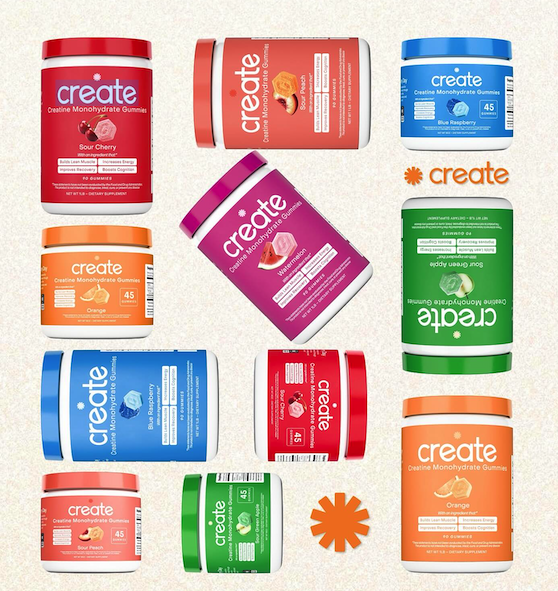
Create Wellness runs a subscription-led supplement business where every cycle is a brand promise to a community of customers expecting consistency. ShipMonk’s lot tracking and FEFO enforcement keep every subscription box honoring that promise. When the brand expanded its SKU mix and started conversations with major retailers, the compliance infrastructure was already in place. Growth didn’t require rebuilding the operation. It required scaling what was already working.
Goodroot grew a supplement brand without building an internal operations team. The founders made an explicit decision early: every dollar that could go to product, marketing, and customer experience would. Fulfillment, compliance, retail operations — outsourced, but only to a partner whose compliance infrastructure could absorb the regulatory complexity that supplement brands live with. ShipMonk’s facility certifications, lot tracking, and Quality and Compliance team met the bar. Goodroot grew. The ops headcount didn’t have to.

Both brands scaled without taking on the risk. That’s what scaling a brand instead of a risk looks like in practice.
The point isn’t compliance for its own sake. It’s compliance so a recall doesn’t become a brand crisis. So a failed audit doesn’t kill a retailer deal. So no one at your board table has a reason to question your operations.
2026 and beyond
The regulatory environment is tightening. FSMA traceability enforcement is hitting full stride. State-level supplement legislation is multiplying. Retailer audit cadences are accelerating. The brands that thrive in 2026 are the ones planning for it now, with a 3PL built for what’s coming.
Talk to a supplement specialist
Scale your brand. Not your risk. Book a 30-minute compliance review with a ShipMonk specialist. We’ll walk through your current setup, name the gaps, and tell you what it would take to close them.
Frequently asked questions
What does it mean for a 3PL to be FDA-registered, and why does it matter for supplement brands?
An FDA-registered 3PL is required to hold dietary supplements and food products — any facility that stores or ships these products must be registered under the Bioterrorism Act. For supplement brands, shipping from a non-registered warehouse creates a paper trail the FDA can pull and exposes the brand to recall and retailer compliance risk. See ecommerce fulfillment at ShipMonk.
Is FDA registration enough, or do I need a 3PL with cGMP and GFSI certifications too?
FDA registration is the legal floor for supplement fulfillment — it’s required, but it doesn’t tell you much about operational quality. Certifications like cGMP, GFSI, BRCGS, and SQF go further: they verify that the facility’s processes, documentation, and quality management systems have been independently audited. For brands selling into major retail, those certifications are often a buyer requirement.
How does ShipMonk handle lot tracking for supplement and wellness brands?
ShipMonk captures lot numbers at the point of receiving — every carton is matched to its lot when inventory arrives. When an order is picked, the lot is tagged at the order level. That means your team can pull a full list of customers who received product from any specific lot in minutes, not days. Explore ShipMonk’s platform.
What is FEFO rotation, and how does ShipMonk enforce it for supplement inventory?
FEFO — First-Expired-First-Out — is the fulfillment rule that keeps expired product off customer doorsteps by always shipping the soonest-expiring units first. ShipMonk enforces FEFO at the platform level, not as a manual SOP that a picker might skip during a high-volume day. For supplement brands, that protection is built into every pick.
How fast can ShipMonk produce audit documentation if the FDA or a retailer requests it?
ShipMonk’s compliance documentation — lot records, chain of custody, disposition logs — is captured continuously as orders move through the warehouse. When a retailer audit or FDA inquiry comes in, your team can pull a complete audit packet in 48 hours. That’s a meaningful difference from 3PLs where documentation assembly takes weeks. Learn more about fulfillment services.
What happens to returned supplements at ShipMonk — can they be restocked?
Returned supplements cannot be automatically restocked the way apparel can. ShipMonk dispositions returns per your brand’s rules: opened or compromised product is logged and flagged in the QMS, not returned to sellable inventory. Every disposition is documented, which keeps your quality records clean if a retailer or auditor asks.
How do I know if my current 3PL is actually compliant enough for supplement fulfillment?
Four questions reveal whether your current 3PL is genuinely compliant:
- Are they FDA-registered?
- Do they hold third-party certifications like GFSI, BRCGS, or SQF?
- Can they produce lot-level traceability reports on demand?
- How long does it take them to assemble an audit packet?
If any answer is unclear, that’s the risk profile of your compliance program. Talk to a supplement specialist.
My supplement brand is growing fast — will ShipMonk’s compliance infrastructure keep up as we scale?
ShipMonk’s compliance infrastructure scales with order volume because it’s built into the platform, not layered on top of it. Lot tracking, FEFO enforcement, and audit documentation run automatically regardless of whether you’re shipping 500 orders a month or 50,000. For supplement brands scaling into retail, that means compliance doesn’t become a bottleneck at the exact moment growth accelerates.