The most interesting thing about festival fashion shoppers right now is the contradiction at the center of how they buy.
They are more deliberate than ever. Nearly 62% rank price as a top-three factor when shopping for a festival look. They are thrifting, mixing vintage with new, targeting $25 or under per piece. They are not buying a disposable outfit for one night. They are building something.
And they are still placing that order on Thursday for a Saturday show.
That gap, between intentional consideration and last-minute urgency, is where festival season becomes a supply chain stress test. And most brands are not built for it.
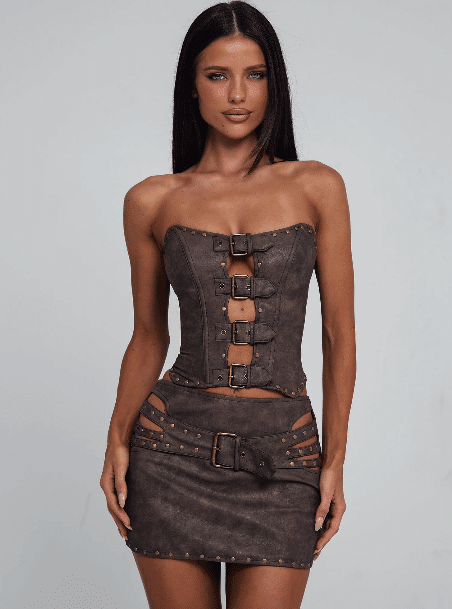
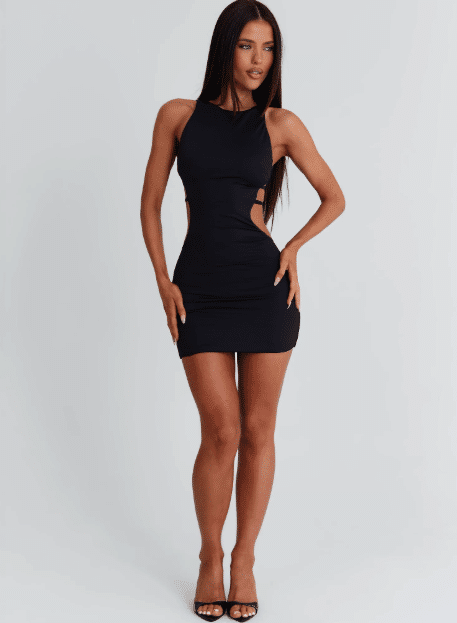

Thoughtful does not mean patient
The conventional image of a festival fashion customer is someone buying impulsively, chasing a trend she saw on Instagram. The data does not support that picture.
Gen Z has made secondhand a core part of the festival wardrobe playbook. They are mixing eras, hunting for niche vintage pieces, and making considered choices about where they spend. The disposable festival outfit is largely out.
But the timeline has not changed. A show is on Saturday. The outfit needs to arrive by Friday. The customer who spent three weeks planning her look has no patience for a brand whose fulfillment cannot keep up with her urgency.
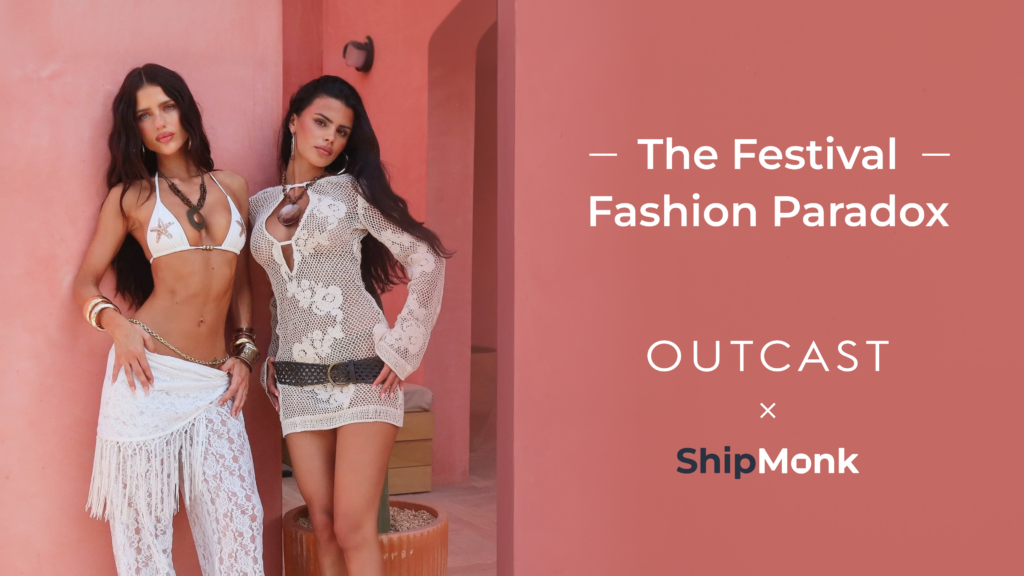
Erin Stutfield, Global Merchandise Director of Outcast Clothing, a ShipMonk merchant that Sourcing Journal named as one of the brands owning Coachella market share, sees this dynamic play out in order data every festival season.
Our customer shops with intent, particularly around key moments like Coachella. She’s not buying a single outfit — she’s building a wardrobe for the weekend. During festival periods, we typically see a step change in both average order value and units per order, as customers move from single-item purchases to multi-look, outfit-driven baskets.
Erin Stutfield, Global Merchandise Director Outcast Clothing
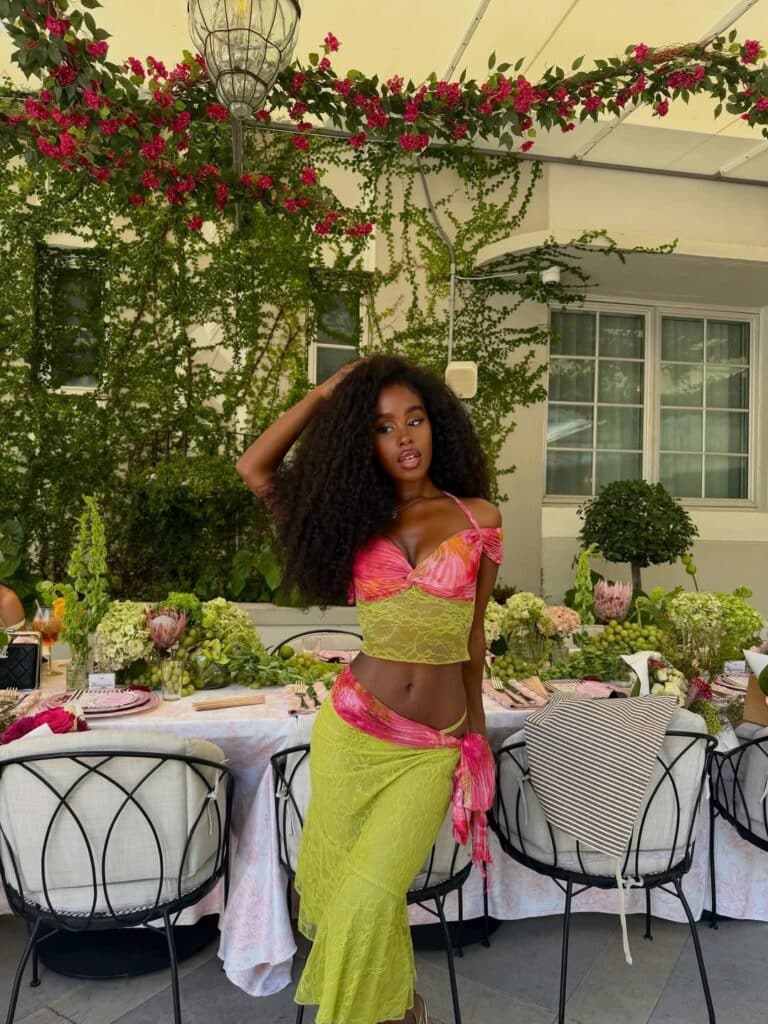
That step change in AOV and units per order happens precisely because the customer is thoughtful. She is building, not grabbing. But she is still building on a deadline.
Speed is not a perk. It is the product.
When a cultural moment drives a purchase decision, the fulfillment window shrinks to hours. Festival season is an extreme version of a dynamic that plays out across ecommerce constantly: the customer has already decided to buy. The only question is whether the brand can deliver before the moment passes.
2-day shipping is not a competitive advantage in this context. It is the minimum requirement to stay in the game. The apparel brands that capitalize on festival season are not the ones with the biggest marketing budgets or the sharpest influencer strategy. They are the ones whose operations are built to move as fast as their customers decide.
Stutfield frames it cleanly: the brands that scale are the ones that turn momentum into a system. Festival season repeats. Glastonbury, Lollapalooza, Bonnaroo, the calendar runs from April through August. Each event is another test. The brands that pass it consistently are the ones that have stopped treating logistics as a back-office function and started treating it as a competitive advantage.
The calendar does not stop. Neither should your 3PL.
Your customers are shopping on Thursday for Saturday. Can your 3PL keep up? Find out what ShipMonk can do for your apparel brand.
Frequently asked questions
How does ShipMonk handle sudden demand spikes during festival season for apparel brands?
ShipMonk handles festival season demand spikes by positioning inventory across its fulfillment network in advance, so orders pick up from the location closest to the buyer. Combined with same-day pick-and-pack cutoffs and multi-carrier routing, most orders placed Thursday can reach customers by Saturday without SLA degradation during peak periods. Learn more about ecommerce fulfillment.
Why do festival fashion shoppers wait until the last minute to buy — and what does that mean for fulfillment?
Festival fashion shoppers are price-intentional — nearly 62% rank price in their top three criteria — but they still place orders 48–72 hours before the event. That window collapses the time brands have to pick, pack, and ship. Fulfillment partners that can’t execute same-day processing will lose those sales to competitors who can.
What shipping options does ShipMonk offer to hit 2-day delivery for time-sensitive fashion orders?
ShipMonk routes orders through a carrier mix that includes USPS, UPS, FedEx, and regional carriers, selecting the fastest and most cost-effective option per order. For time-sensitive apparel orders, ShipMonk’s distributed warehouse network means most of the U.S. population is within 2-day ground reach — no premium air shipping required on every order. See fulfillment services.
How should apparel brands manage inventory positioning ahead of festival season demand?
Apparel brands managing festival season inventory should split stock across multiple fulfillment centers based on historical order geography. ShipMonk’s inventory management system gives real-time visibility across all locations, so your team can rebalance stock before a demand spike, not after you’ve already missed orders and expedited freight. Explore ShipMonk’s platform.
Does ShipMonk support high return volumes typical in fashion after festival season?
ShipMonk processes returns through a configurable returns workflow — incoming items are inspected, graded, and either restocked, held, or flagged per your brand’s rules. For apparel brands that see post-festival return waves, this keeps inventory accurate and sellable units back in circulation fast, rather than sitting in a receiving backlog for days.
What order accuracy rates does ShipMonk maintain during high-volume periods?
ShipMonk maintains a 99.9% pick accuracy rate, including during high-volume periods like festival season. Orders go through barcode-verified pick-and-pack workflows, so the wrong-size sequin top doesn’t end up in someone’s Saturday delivery. For fashion brands where fit and color accuracy matter, that rate directly affects return rates and repeat purchase behavior.
How does ShipMonk’s platform give apparel brands visibility into inventory and order status during peak periods?
ShipMonk’s platform gives apparel brands a live dashboard showing inventory levels, order status, carrier tracking, and exception alerts across all fulfillment locations. During peak periods when order velocity spikes, that visibility lets your ops team catch potential stockouts or carrier delays before they affect customer experience — without digging through spreadsheets or calling a warehouse. Explore ShipMonk’s platform.
What if my festival season order volume is unpredictable — can ShipMonk scale up without long-term commitments?
ShipMonk scales with your order volume without requiring you to forecast perfectly or commit to rigid monthly minimums. Whether festival season drives a 3x spike or a modest lift, your fulfillment capacity adjusts to match actual demand. Brands doing $10M–$100M in revenue typically use ShipMonk’s variable pricing model to avoid paying for capacity they don’t use. Talk to an expert.