Scaling a brand is exhilarating, but it eventually leads to a specific kind of growing pain: the fulfillment ceiling. There comes a moment when your team is spending more time stressing about shipping than planning marketing campaigns, or when “inventory management” becomes a guessing game rather than a science.
Switching fulfillment partners often feels like a high-stakes gamble. Will orders get lost? Will the technology sync? Will the downtime kill our momentum?
These fears are valid, but with the right partner, a migration isn’t a disruption, it’s an unlock.
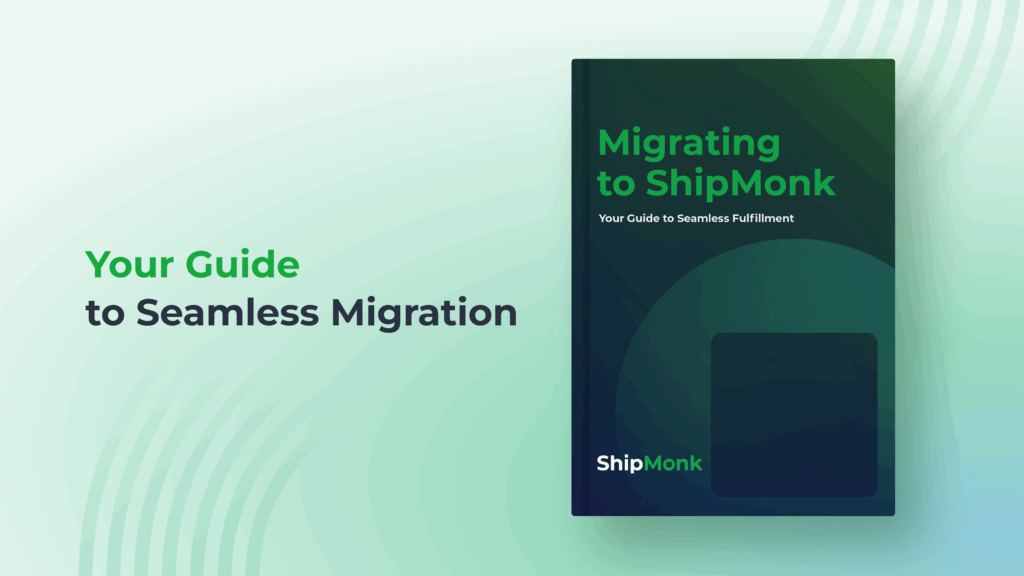
In our Migrating to ShipMonk Ebook, we dive deep into the logistics of making a move. Here is a look at the decision frameworks, strategies, and preparation tactics you need to ensure your first 90 days set the stage for years of growth.
The Fork in the Road: 3PL vs. Self-Managed
Before you even look at migration timelines, you have to answer the fundamental question: Is it time?
Many merchants cling to self-fulfillment because it feels “safer” to have eyes on every package. But Rich Cammisa, Network Strategy @ Argon & Co, explains:
The safety of self-fulfillment is often an illusion. You might have eyes on every package, but you have blinders on your P&L and your growth potential. The real risk isn’t losing control over a few boxes; it’s the cost of lost sales when you can’t hit 2-day shipping nationwide, or when your entire operation collapses under peak demand. The decision to outsource is trading an outdated sense of operational control for true, sustainable market velocity. Whether a company is migrating to a 3PL or already operates with several, network design is what transforms a collection of warehouses into a deliberate, growth-ready fulfillment network.
If you are debating between staying in-house vs. partnering with a 3PL, use this simple framework:
- Are you spending more than 20% of your week on logistics challenges?
- Are shipping zones killing your margins because you only have one warehouse?
- Can your current setup handle a 3x spike in volume during peak season without crashing?
The First 90 Days: Tech, Inventory, and Budgets
A successful migration is won or lost in the preparation phase. The first 90 days of a partnership start before the first box arrives at thedock.
1. Tech Readiness
Your SKUs need to be clean. Before migrating, audit your product catalog, ensure your barcodes are unique, and verify that your ecommerce platform (Shopify, WooCommerce, etc.) is ready for API integration. The goal is data hygiene—garbage in, garbage out.
2. Inventory Prep
How is your product packed? If your current provider sends mixed SKUs in unmarked boxes, you are setting yourself up for receiving delays. We help you establish clear “Receiving Guidelines” to ensure your stock is shelved and sellable within hours of arrival.
3. Budgeting for the Shift
Migration has costs, but they shouldn’t be surprising. Factor in the “overlap” period where you might pay storage in two locations briefly. However, weigh this against the long-term savings of reduced shipping zones and better negotiated carrier rates.
Teams often wait until they’re drowning in operational chaos—missed SLAs, crashing systems, or prohibitive shipping costs—before considering a 3PL migration. The true strategic fork in the road is when you realize logistics has become the biggest anchor on your growth, not just a necessary evil. The best time to make the switch is before your fulfillment operations become a crisis. -Rich Cammisa, Network Strategy @ Argon & Co
3 Strategies for the Move
Once you’ve decided to move and prepped your data, how do you actually move the physical goods? There is no one-size-fits-all approach.
1. The Hard Switch (The Clean Break)
Best for: Urgent exits.
You pause fulfillment, move everything at once, and resume. It’s the fastest way to rip the Band-Aid off and start fresh.
2. The Transition Period (The Gradual Ramp-Up)
Best for: High volume brands that cannot afford downtime.
You send a portion of inventory to ShipMonk while your old provider continues fulfilling. You slowly ramp up volume with us and wind down the old facility.
3. The Fresh Start (The Cost-Saver)
Best for: Cost-conscious businesses.
You don’t move old inventory at all. You sell through your existing stock at your old provider while routing new manufacturer shipments directly to ShipMonk.
Ready to Scale Without the Stress?
Migrating doesn’t have to be a nightmare. It is an opportunity to audit your business, clean up your operations, and upgrade your customer experience.
Whether you need a hard switch or a slow transition, our team is here to guide you through the tech, the trucks, and the timing.
Want the full blueprint? We’ve compiled every checklist, budget tip, and strategy into one comprehensive guide.